Division 296 and the end of unconstrained super
Implications, Impacts and Strategic Responses for High-Balance Clients.
Explore the implications and strategic responses in detail.

Executive Summary
The Australian Government’s Division 296 legislation represents the most significant structural change to the taxation of superannuation since the introduction of the transfer balance cap in 2017. Introduced on 1 July 2026, the measure introduces a progressive tax overlay on superannuation earnings attributable to large balances, fundamentally altering the long-standing assumption that superannuation provides a uniformly concessional tax environment irrespective of balance size.
The Situation
Under the legislation, individuals with a Total Superannuation Balance (TSB) exceeding $3 million will be subject to an additional 15 per cent tax on earnings attributable to the portion of their balance above that threshold.
For balances exceeding $10 million, a further 10 per cent tax applies. When combined with existing superannuation taxes, this results in effective marginal tax rates of up to 30 per cent and 40 per cent respectively on affected earnings.
While the Government has refined the design of Division 296 in response to industry feedback – notably by moving to a realised earnings framework, the legislation nonetheless establishes a clear precedent: superannuation will no longer operate as a single-rate tax environment for very large balances.
Understand what these changes could mean for your high-balance clients and the strategies available to advisers. Complete this form to access the full whitepaper.
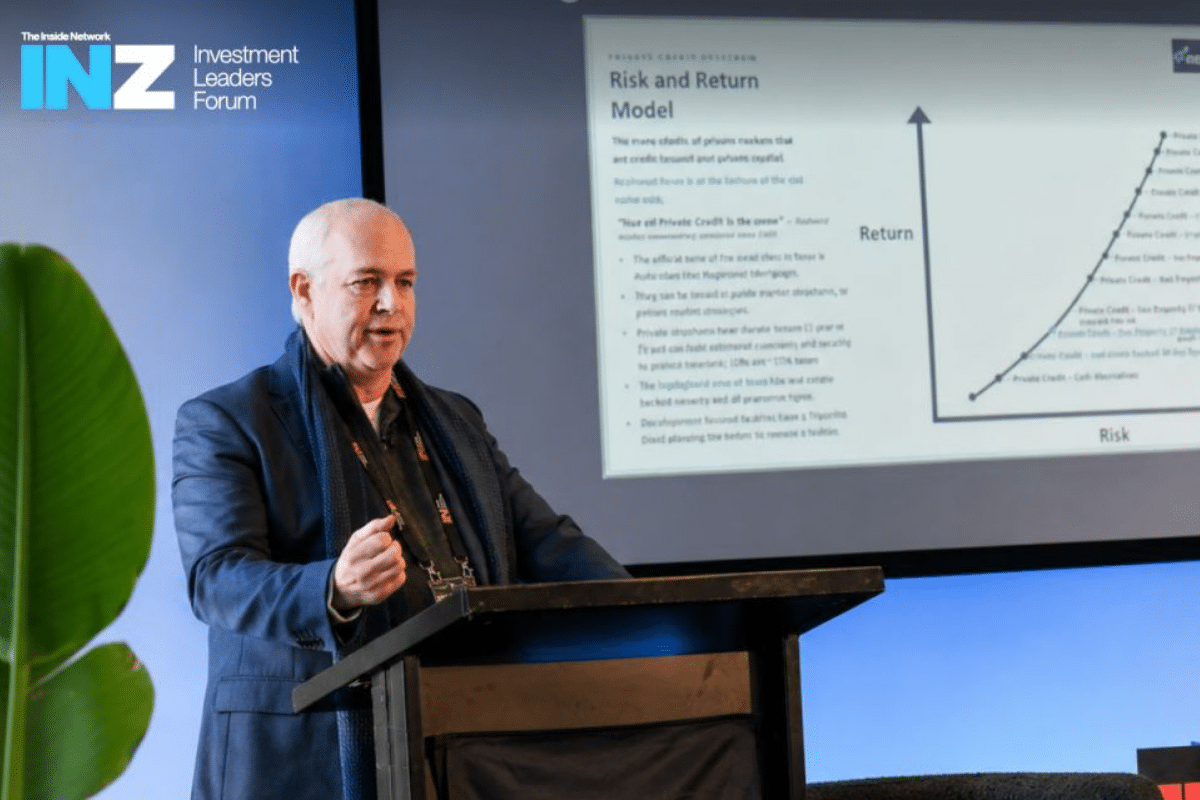
The whitepaper forms part of KeyInvest’s ongoing work with advisers.
This paper examines the legislative mechanics of Division 296, identifies the client cohorts most likely to be impacted and quantifies the potential magnitude of the tax over time. It then considers strategic responses available to advisers, with particular focus on the role of tax-paid investment structures, including investment bonds, as part of a diversified and resilient wealth framework.

KeyInvest CEO, Craig Brooke says,
“The conversation has moved beyond the detail of the policy itself, and towards how advisers are responding. Most advisers now understand how Division 296 works, but the challenge is what do they do about it.
What we’re seeing is a shift in timing, rather than waiting until a client breaches the threshold. Advisers are starting to plan for it well in advance, which changes the structure of advice.
Super remains central, but it’s no longer the default destination for all long-term capital, and this is what’s leading to a more deliberate decision about what sits inside and outside of superannuation.”